Ballina Blog

Gratë Frymëzuese të Diasporës Shqiptare

0

Këto botime sjellin në vëmendje historitë personale dhe kontributet e grave shqiptare që jetojnë dhe veprojnë në vende të ndryshme të botës.

Libri përmban rrëfime autentike nga gra shqiptare në diasporë të cilat veprojnë në fusha të ndryshme, përfshirë arsimin, mjekësinë, biznesin, kulturën dhe aktivizmin shoqëror. Çdo intervistë është një dëshmi e fuqisë, guximit dhe përkushtimit të grave që, pavarësisht largësisë nga atdheu, kanë ruajtur identitetin e tyre kombëtar dhe kanë dhënë kontribut të çmuar në vendet ku jetojnë.

Përmes këtij libri, autori Hebibi synon të dokumentojë jo vetëm arritjet individuale të këtyre grave, por edhe të krijojë një pasqyrë më të gjerë të realitetit të diasporës shqiptare dhe rolit që gruaja shqiptare luan në të. Vepra është menduar të shërbejë si frymëzim për brezat e rinj, duke i inkurajuar që të njohin dhe vlerësojnë rrënjët e tyre kulturore.

Të dy vëllimet e librit do të jenë të disponueshme për publikun në ditën e promovimit, si dhe përmes kanaleve të tjera shpërndarëse pas ngjarjes.

Terracota Jugs which were Painted to tell Short Stories in Ancient Greece

0

Commandeered by Neil Armstrong, the Apollo 11 mission was a spaceflight that landed the first two people on the Moon. Following the “Cold War” between the United States and the Soviet Union, and the successful launch of Sputnik 1 by the Soviets, the first artificial satellite, came the “Space Race” between the two nations.

President Dwight D. Eisenhower responded to the challenge by creating the National Aeronautics and Space Administration and prioritizing launching a man into space. However, even with the increased efforts on his part, the first person to ever be launched into space was Yuri Gagarin.

As such, when John F. Kennedy stepped into his president role, he took it upon himself to arise to the challenge. With a plan in motion, they focused their efforts into a project that would put the man on moon and get him back to Earth in one piece. The project’s name was “Apollo”.

Apollo 11 the Successful Launch

The project had been postponed with the Apollo 1 fire that happened on January 27, 1967. However, it was not the end. With continued testing, and several other teams working on it, it was ready for launch on July 16, 1969. During the launch, an estimation of one million spectators were on the highways and beaches next to the site to watch the rocket take off with the astronauts inside.
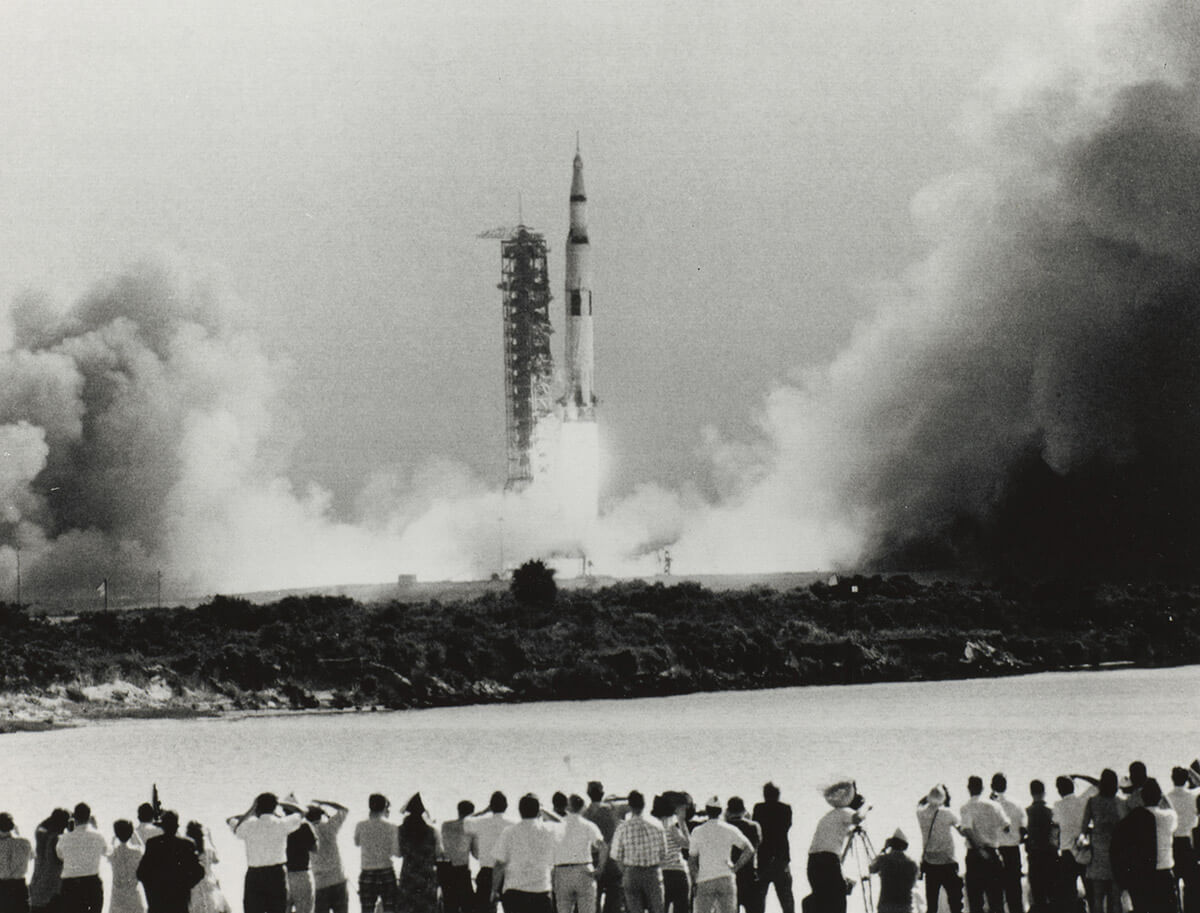
The Saturn V rocket propelled them into Earth’s orbit and a few days later, the astronauts were descending onto the Moon. Accosted with several computer errors, they were urged by the computer engineer Jack Garman to continue descent and that it was safe to land. The problems had been due to the amounts of tasks the computer had had to finish in a short amount of time. In short, it could not keep up and thus it relayed error messages, however, it did not impact their mission.

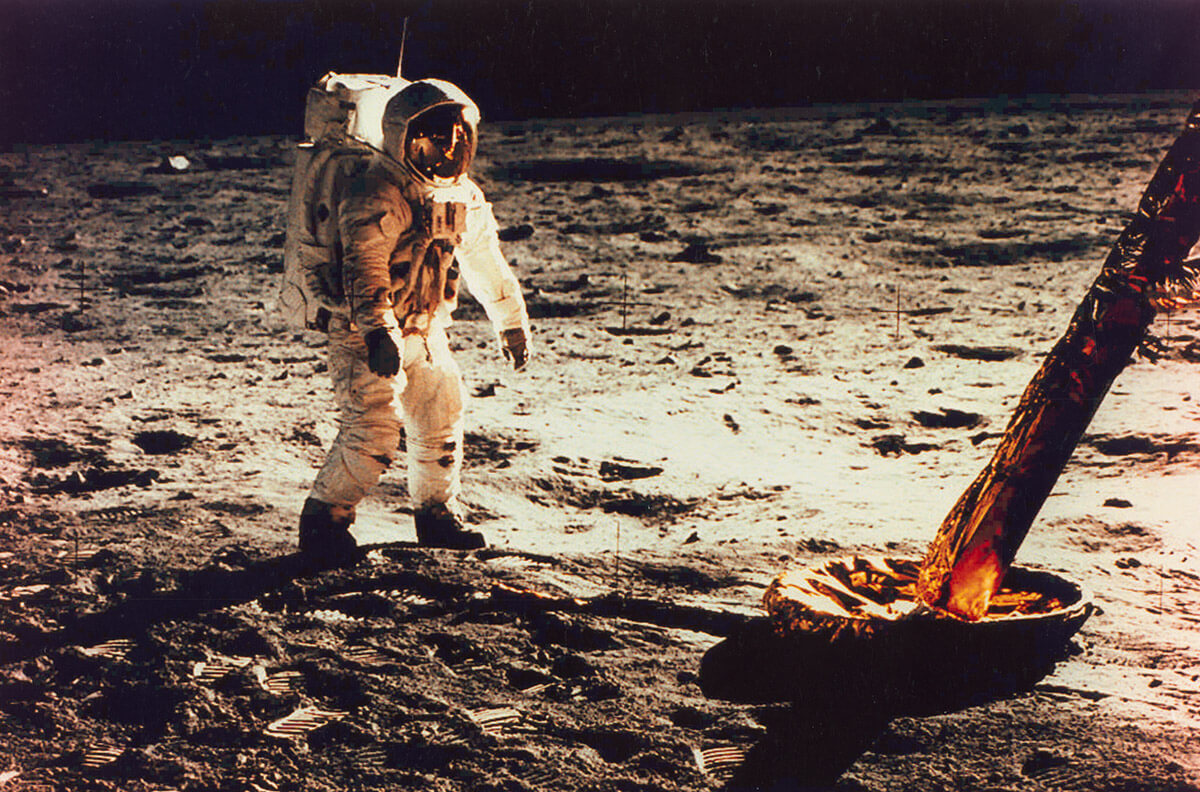
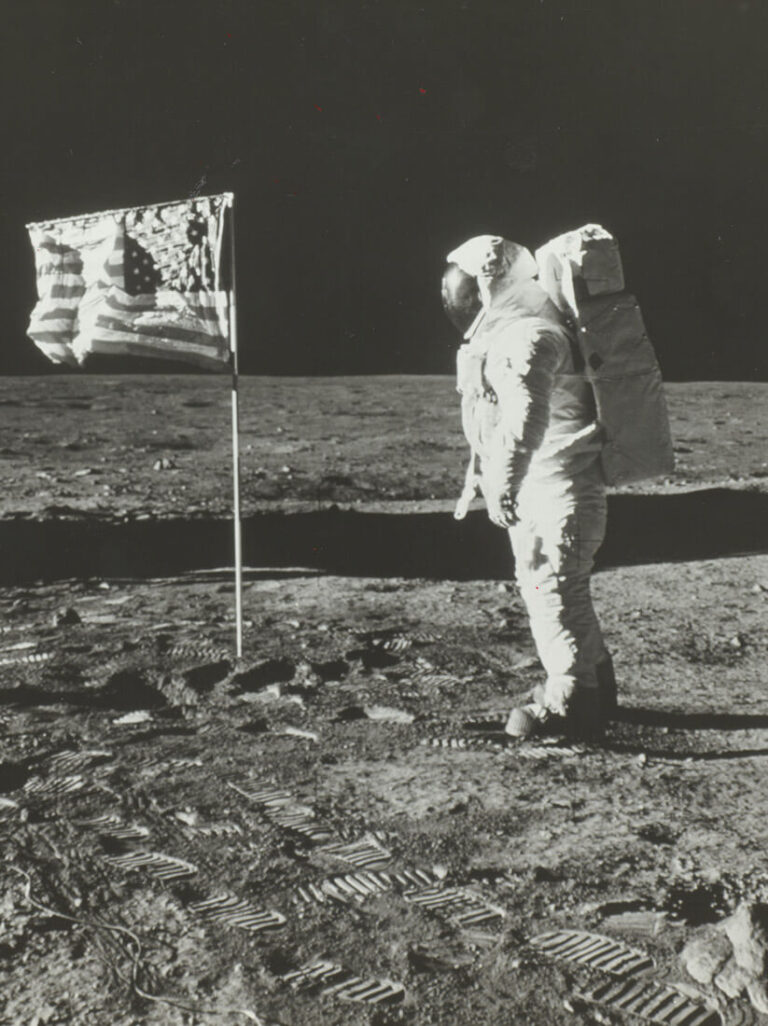
With everyone on Earth having their fingers crossed, the Apollo 11 crew made it onto the Moon’s surface. They set a plaque that had been previously signed by the president and the astronauts to set there as their first memory of the event, all the while being transmitted to Earth for people to watch live from their television screens.
Moon Departure and Quarantine

Aldrin and Armstrong managed to meet back up with the Eagle spaceship and then continued their descent back to Earth with Collins, who, during their ascent on the lunar surface, had kept watch over Eagle in their absence. In their landing, they crashed upside down, however, they were able to rectify that with the flotation bags activated by the astronauts.

The Astronauts were given biological isolation garments and assisted them in getting out of Columbia. With the possibility of bringing back pathogens from the lunar surface, they were scrubbed with sodium hypochlorite and then were taken to Hornet, where they began their 21 days of quarantine.
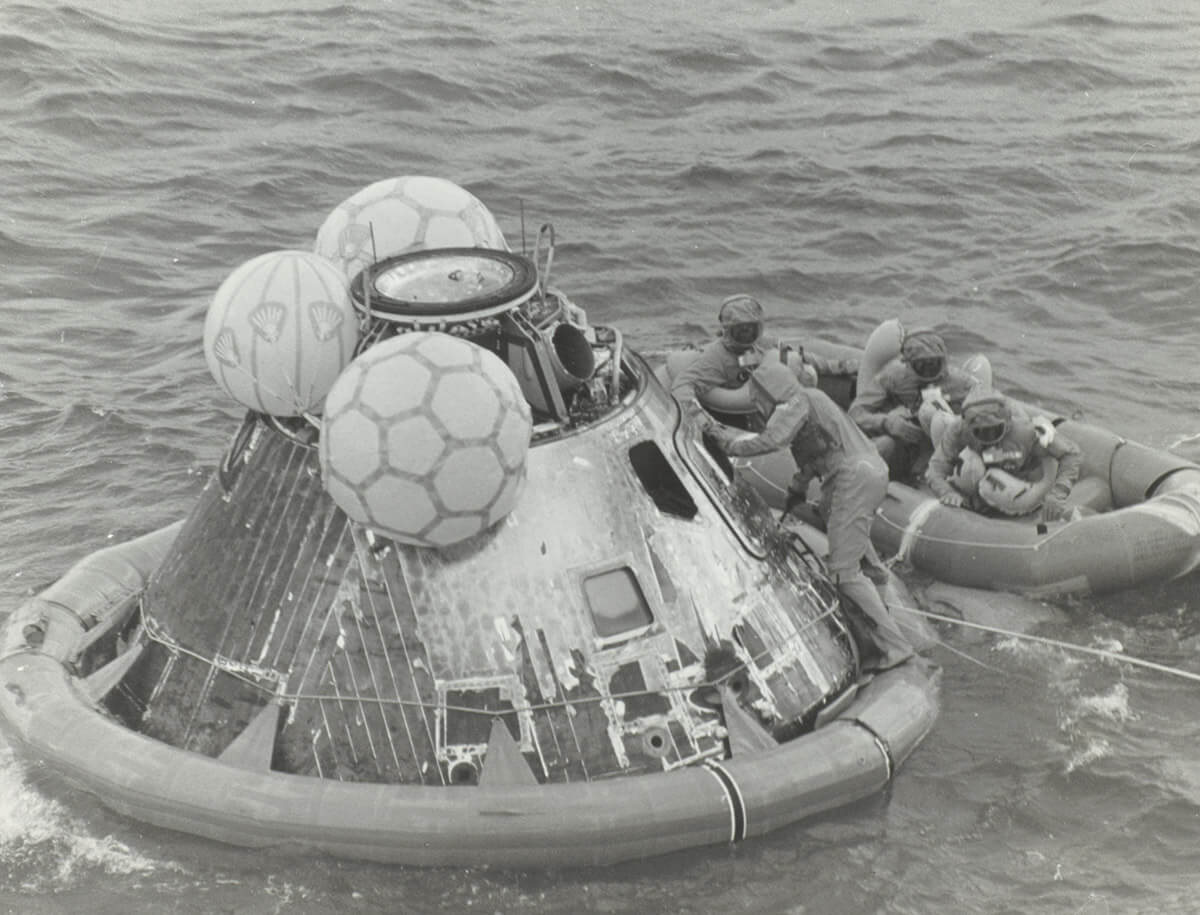
During their quarantine, they got a visit from the president of the United States, Richard Nixon, who wanted to congratulate the crew on the mission and welcomed them back home. After three weeks in confinement, the astronauts were released and then reigned in on the celebrations and success.


Currency in Ancient Greece: Gold Oktadrachm of Ptolemy IV

0

Commandeered by Neil Armstrong, the Apollo 11 mission was a spaceflight that landed the first two people on the Moon. Following the “Cold War” between the United States and the Soviet Union, and the successful launch of Sputnik 1 by the Soviets, the first artificial satellite, came the “Space Race” between the two nations.

President Dwight D. Eisenhower responded to the challenge by creating the National Aeronautics and Space Administration and prioritizing launching a man into space. However, even with the increased efforts on his part, the first person to ever be launched into space was Yuri Gagarin.

As such, when John F. Kennedy stepped into his president role, he took it upon himself to arise to the challenge. With a plan in motion, they focused their efforts into a project that would put the man on moon and get him back to Earth in one piece. The project’s name was “Apollo”.

Apollo 11 the Successful Launch

The project had been postponed with the Apollo 1 fire that happened on January 27, 1967. However, it was not the end. With continued testing, and several other teams working on it, it was ready for launch on July 16, 1969. During the launch, an estimation of one million spectators were on the highways and beaches next to the site to watch the rocket take off with the astronauts inside.

The Saturn V rocket propelled them into Earth’s orbit and a few days later, the astronauts were descending onto the Moon. Accosted with several computer errors, they were urged by the computer engineer Jack Garman to continue descent and that it was safe to land. The problems had been due to the amounts of tasks the computer had had to finish in a short amount of time. In short, it could not keep up and thus it relayed error messages, however, it did not impact their mission.

With everyone on Earth having their fingers crossed, the Apollo 11 crew made it onto the Moon’s surface. They set a plaque that had been previously signed by the president and the astronauts to set there as their first memory of the event, all the while being transmitted to Earth for people to watch live from their television screens.

Moon Departure and Quarantine

Aldrin and Armstrong managed to meet back up with the Eagle spaceship and then continued their descent back to Earth with Collins, who, during their ascent on the lunar surface, had kept watch over Eagle in their absence. In their landing, they crashed upside down, however, they were able to rectify that with the flotation bags activated by the astronauts.

The Astronauts were given biological isolation garments and assisted them in getting out of Columbia. With the possibility of bringing back pathogens from the lunar surface, they were scrubbed with sodium hypochlorite and then were taken to Hornet, where they began their 21 days of quarantine.

During their quarantine, they got a visit from the president of the United States, Richard Nixon, who wanted to congratulate the crew on the mission and welcomed them back home. After three weeks in confinement, the astronauts were released and then reigned in on the celebrations and success.

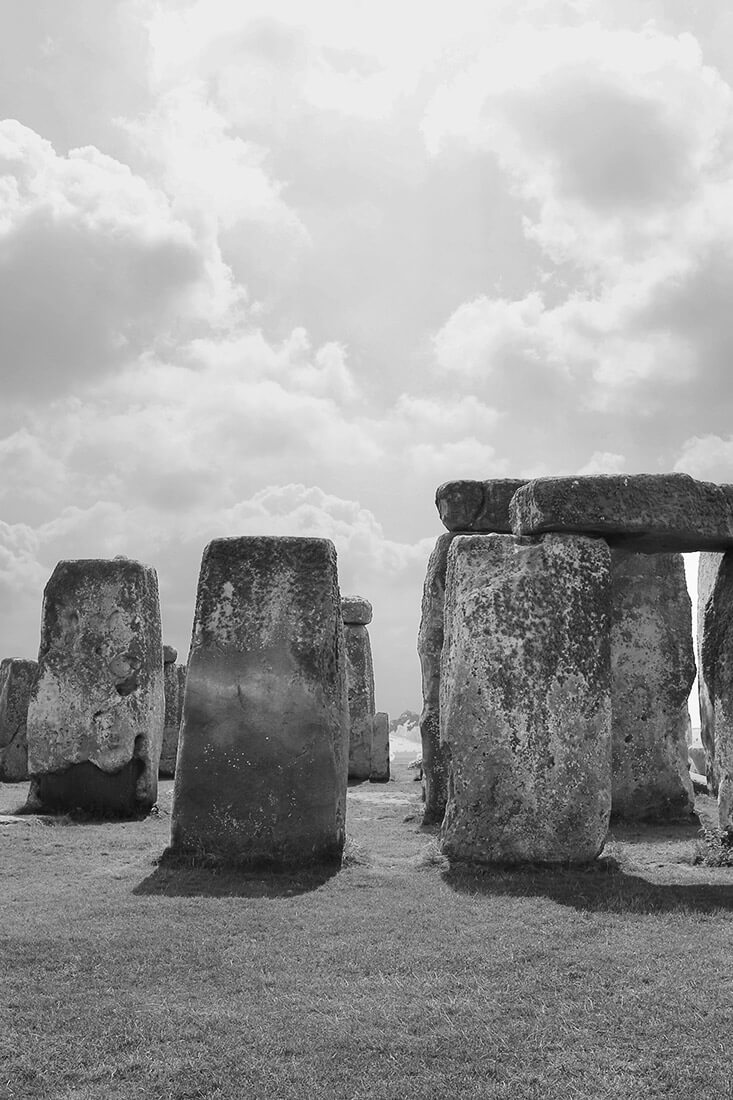
Stonehenge as one of the Most Astounding Wonders of the World

0

Commandeered by Neil Armstrong, the Apollo 11 mission was a spaceflight that landed the first two people on the Moon. Following the “Cold War” between the United States and the Soviet Union, and the successful launch of Sputnik 1 by the Soviets, the first artificial satellite, came the “Space Race” between the two nations.

President Dwight D. Eisenhower responded to the challenge by creating the National Aeronautics and Space Administration and prioritizing launching a man into space. However, even with the increased efforts on his part, the first person to ever be launched into space was Yuri Gagarin.

As such, when John F. Kennedy stepped into his president role, he took it upon himself to arise to the challenge. With a plan in motion, they focused their efforts into a project that would put the man on moon and get him back to Earth in one piece. The project’s name was “Apollo”.

Apollo 11 the Successful Launch

The project had been postponed with the Apollo 1 fire that happened on January 27, 1967. However, it was not the end. With continued testing, and several other teams working on it, it was ready for launch on July 16, 1969. During the launch, an estimation of one million spectators were on the highways and beaches next to the site to watch the rocket take off with the astronauts inside.

The Saturn V rocket propelled them into Earth’s orbit and a few days later, the astronauts were descending onto the Moon. Accosted with several computer errors, they were urged by the computer engineer Jack Garman to continue descent and that it was safe to land. The problems had been due to the amounts of tasks the computer had had to finish in a short amount of time. In short, it could not keep up and thus it relayed error messages, however, it did not impact their mission.

With everyone on Earth having their fingers crossed, the Apollo 11 crew made it onto the Moon’s surface. They set a plaque that had been previously signed by the president and the astronauts to set there as their first memory of the event, all the while being transmitted to Earth for people to watch live from their television screens.

Moon Departure and Quarantine

Aldrin and Armstrong managed to meet back up with the Eagle spaceship and then continued their descent back to Earth with Collins, who, during their ascent on the lunar surface, had kept watch over Eagle in their absence. In their landing, they crashed upside down, however, they were able to rectify that with the flotation bags activated by the astronauts.

The Astronauts were given biological isolation garments and assisted them in getting out of Columbia. With the possibility of bringing back pathogens from the lunar surface, they were scrubbed with sodium hypochlorite and then were taken to Hornet, where they began their 21 days of quarantine.

During their quarantine, they got a visit from the president of the United States, Richard Nixon, who wanted to congratulate the crew on the mission and welcomed them back home. After three weeks in confinement, the astronauts were released and then reigned in on the celebrations and success.
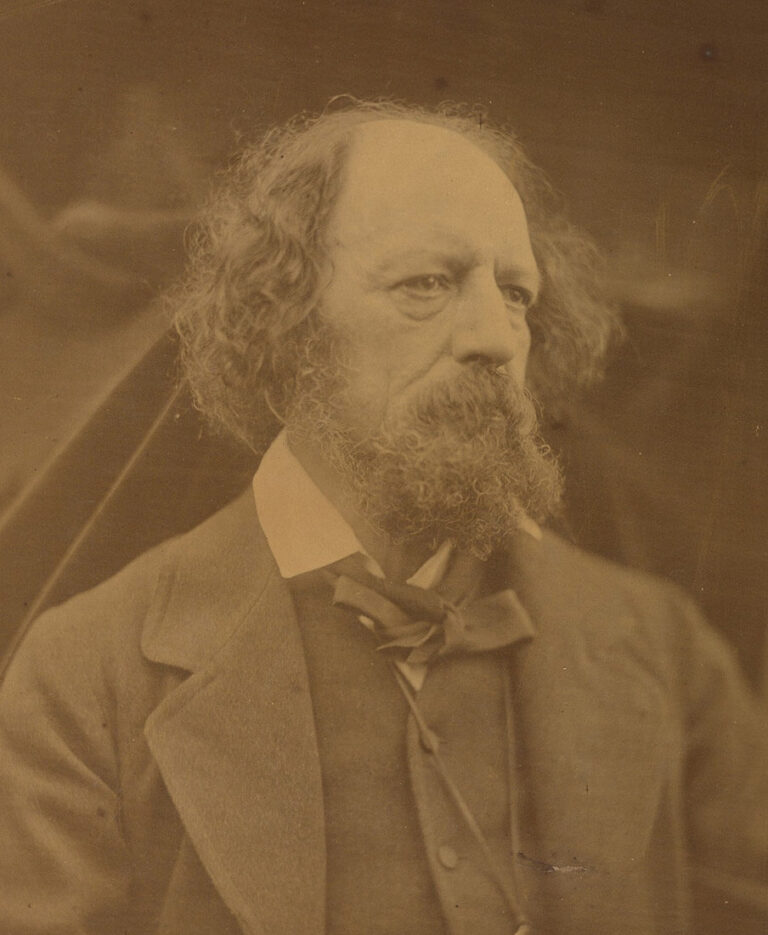
King Oenomaus, son of Ares, driving a Chariot, terracota plaque

0

Commandeered by Neil Armstrong, the Apollo 11 mission was a spaceflight that landed the first two people on the Moon. Following the “Cold War” between the United States and the Soviet Union, and the successful launch of Sputnik 1 by the Soviets, the first artificial satellite, came the “Space Race” between the two nations.

President Dwight D. Eisenhower responded to the challenge by creating the National Aeronautics and Space Administration and prioritizing launching a man into space. However, even with the increased efforts on his part, the first person to ever be launched into space was Yuri Gagarin.

As such, when John F. Kennedy stepped into his president role, he took it upon himself to arise to the challenge. With a plan in motion, they focused their efforts into a project that would put the man on moon and get him back to Earth in one piece. The project’s name was “Apollo”.

Apollo 11 the Successful Launch

The project had been postponed with the Apollo 1 fire that happened on January 27, 1967. However, it was not the end. With continued testing, and several other teams working on it, it was ready for launch on July 16, 1969. During the launch, an estimation of one million spectators were on the highways and beaches next to the site to watch the rocket take off with the astronauts inside.

The Saturn V rocket propelled them into Earth’s orbit and a few days later, the astronauts were descending onto the Moon. Accosted with several computer errors, they were urged by the computer engineer Jack Garman to continue descent and that it was safe to land. The problems had been due to the amounts of tasks the computer had had to finish in a short amount of time. In short, it could not keep up and thus it relayed error messages, however, it did not impact their mission.

With everyone on Earth having their fingers crossed, the Apollo 11 crew made it onto the Moon’s surface. They set a plaque that had been previously signed by the president and the astronauts to set there as their first memory of the event, all the while being transmitted to Earth for people to watch live from their television screens.

Moon Departure and Quarantine

Aldrin and Armstrong managed to meet back up with the Eagle spaceship and then continued their descent back to Earth with Collins, who, during their ascent on the lunar surface, had kept watch over Eagle in their absence. In their landing, they crashed upside down, however, they were able to rectify that with the flotation bags activated by the astronauts.

The Astronauts were given biological isolation garments and assisted them in getting out of Columbia. With the possibility of bringing back pathogens from the lunar surface, they were scrubbed with sodium hypochlorite and then were taken to Hornet, where they began their 21 days of quarantine.

During their quarantine, they got a visit from the president of the United States, Richard Nixon, who wanted to congratulate the crew on the mission and welcomed them back home. After three weeks in confinement, the astronauts were released and then reigned in on the celebrations and success.
Funeral Beliefs and Rites in ancient Egypt: False Doors for the Buried

0

Commandeered by Neil Armstrong, the Apollo 11 mission was a spaceflight that landed the first two people on the Moon. Following the “Cold War” between the United States and the Soviet Union, and the successful launch of Sputnik 1 by the Soviets, the first artificial satellite, came the “Space Race” between the two nations.

President Dwight D. Eisenhower responded to the challenge by creating the National Aeronautics and Space Administration and prioritizing launching a man into space. However, even with the increased efforts on his part, the first person to ever be launched into space was Yuri Gagarin.

As such, when John F. Kennedy stepped into his president role, he took it upon himself to arise to the challenge. With a plan in motion, they focused their efforts into a project that would put the man on moon and get him back to Earth in one piece. The project’s name was “Apollo”.

Apollo 11 the Successful Launch

The project had been postponed with the Apollo 1 fire that happened on January 27, 1967. However, it was not the end. With continued testing, and several other teams working on it, it was ready for launch on July 16, 1969. During the launch, an estimation of one million spectators were on the highways and beaches next to the site to watch the rocket take off with the astronauts inside.

The Saturn V rocket propelled them into Earth’s orbit and a few days later, the astronauts were descending onto the Moon. Accosted with several computer errors, they were urged by the computer engineer Jack Garman to continue descent and that it was safe to land. The problems had been due to the amounts of tasks the computer had had to finish in a short amount of time. In short, it could not keep up and thus it relayed error messages, however, it did not impact their mission.

With everyone on Earth having their fingers crossed, the Apollo 11 crew made it onto the Moon’s surface. They set a plaque that had been previously signed by the president and the astronauts to set there as their first memory of the event, all the while being transmitted to Earth for people to watch live from their television screens.

Moon Departure and Quarantine

Aldrin and Armstrong managed to meet back up with the Eagle spaceship and then continued their descent back to Earth with Collins, who, during their ascent on the lunar surface, had kept watch over Eagle in their absence. In their landing, they crashed upside down, however, they were able to rectify that with the flotation bags activated by the astronauts.

The Astronauts were given biological isolation garments and assisted them in getting out of Columbia. With the possibility of bringing back pathogens from the lunar surface, they were scrubbed with sodium hypochlorite and then were taken to Hornet, where they began their 21 days of quarantine.

During their quarantine, they got a visit from the president of the United States, Richard Nixon, who wanted to congratulate the crew on the mission and welcomed them back home. After three weeks in confinement, the astronauts were released and then reigned in on the celebrations and success.
The Artisty in the Hands of the People: Irish Dunvegan Cup

Commandeered by Neil Armstrong, the Apollo 11 mission was a spaceflight that landed the first two people on the Moon. Following the “Cold War” between the United States and the Soviet Union, and the successful launch of Sputnik 1 by the Soviets, the first artificial satellite, came the “Space Race” between the two nations.

President Dwight D. Eisenhower responded to the challenge by creating the National Aeronautics and Space Administration and prioritizing launching a man into space. However, even with the increased efforts on his part, the first person to ever be launched into space was Yuri Gagarin.

As such, when John F. Kennedy stepped into his president role, he took it upon himself to arise to the challenge. With a plan in motion, they focused their efforts into a project that would put the man on moon and get him back to Earth in one piece. The project’s name was “Apollo”.

Apollo 11 the Successful Launch

The project had been postponed with the Apollo 1 fire that happened on January 27, 1967. However, it was not the end. With continued testing, and several other teams working on it, it was ready for launch on July 16, 1969. During the launch, an estimation of one million spectators were on the highways and beaches next to the site to watch the rocket take off with the astronauts inside.

The Saturn V rocket propelled them into Earth’s orbit and a few days later, the astronauts were descending onto the Moon. Accosted with several computer errors, they were urged by the computer engineer Jack Garman to continue descent and that it was safe to land. The problems had been due to the amounts of tasks the computer had had to finish in a short amount of time. In short, it could not keep up and thus it relayed error messages, however, it did not impact their mission.

With everyone on Earth having their fingers crossed, the Apollo 11 crew made it onto the Moon’s surface. They set a plaque that had been previously signed by the president and the astronauts to set there as their first memory of the event, all the while being transmitted to Earth for people to watch live from their television screens.

Moon Departure and Quarantine

Aldrin and Armstrong managed to meet back up with the Eagle spaceship and then continued their descent back to Earth with Collins, who, during their ascent on the lunar surface, had kept watch over Eagle in their absence. In their landing, they crashed upside down, however, they were able to rectify that with the flotation bags activated by the astronauts.

The Astronauts were given biological isolation garments and assisted them in getting out of Columbia. With the possibility of bringing back pathogens from the lunar surface, they were scrubbed with sodium hypochlorite and then were taken to Hornet, where they began their 21 days of quarantine.

During their quarantine, they got a visit from the president of the United States, Richard Nixon, who wanted to congratulate the crew on the mission and welcomed them back home. After three weeks in confinement, the astronauts were released and then reigned in on the celebrations and success.
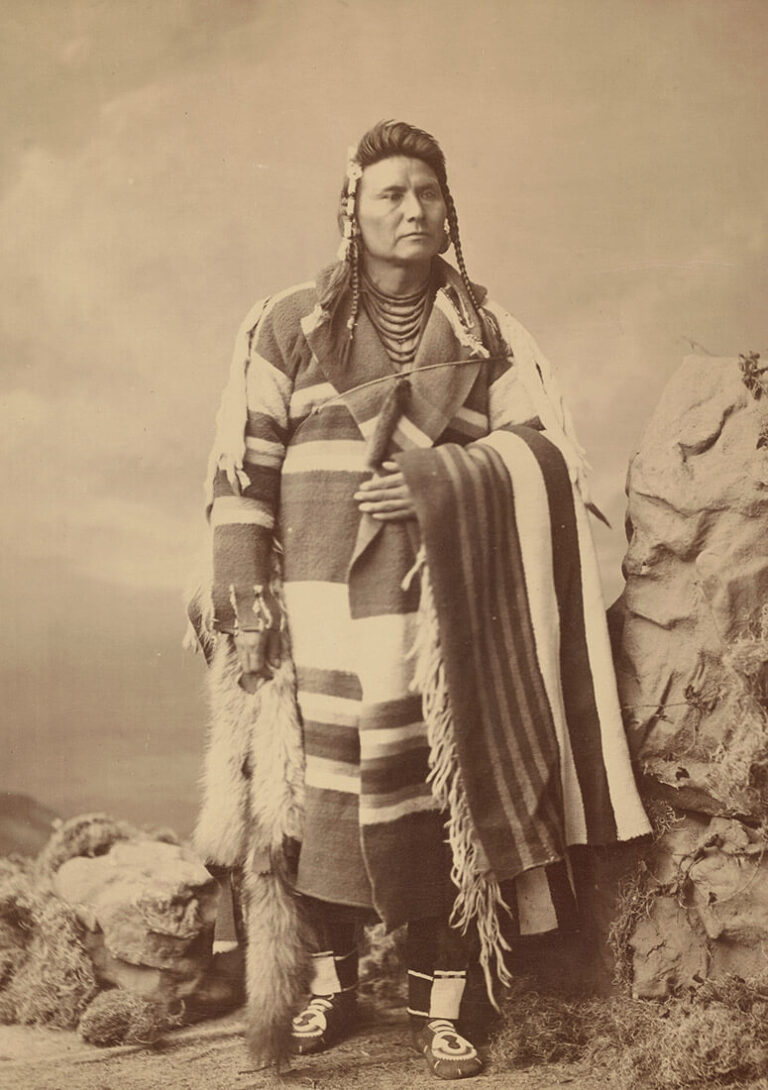
Stone Churches as a Remnant of the early Middle Ages

Commandeered by Neil Armstrong, the Apollo 11 mission was a spaceflight that landed the first two people on the Moon. Following the “Cold War” between the United States and the Soviet Union, and the successful launch of Sputnik 1 by the Soviets, the first artificial satellite, came the “Space Race” between the two nations.

President Dwight D. Eisenhower responded to the challenge by creating the National Aeronautics and Space Administration and prioritizing launching a man into space. However, even with the increased efforts on his part, the first person to ever be launched into space was Yuri Gagarin.

As such, when John F. Kennedy stepped into his president role, he took it upon himself to arise to the challenge. With a plan in motion, they focused their efforts into a project that would put the man on moon and get him back to Earth in one piece. The project’s name was “Apollo”.

Apollo 11 the Successful Launch

The project had been postponed with the Apollo 1 fire that happened on January 27, 1967. However, it was not the end. With continued testing, and several other teams working on it, it was ready for launch on July 16, 1969. During the launch, an estimation of one million spectators were on the highways and beaches next to the site to watch the rocket take off with the astronauts inside.

The Saturn V rocket propelled them into Earth’s orbit and a few days later, the astronauts were descending onto the Moon. Accosted with several computer errors, they were urged by the computer engineer Jack Garman to continue descent and that it was safe to land. The problems had been due to the amounts of tasks the computer had had to finish in a short amount of time. In short, it could not keep up and thus it relayed error messages, however, it did not impact their mission.

With everyone on Earth having their fingers crossed, the Apollo 11 crew made it onto the Moon’s surface. They set a plaque that had been previously signed by the president and the astronauts to set there as their first memory of the event, all the while being transmitted to Earth for people to watch live from their television screens.

Moon Departure and Quarantine

Aldrin and Armstrong managed to meet back up with the Eagle spaceship and then continued their descent back to Earth with Collins, who, during their ascent on the lunar surface, had kept watch over Eagle in their absence. In their landing, they crashed upside down, however, they were able to rectify that with the flotation bags activated by the astronauts.

The Astronauts were given biological isolation garments and assisted them in getting out of Columbia. With the possibility of bringing back pathogens from the lunar surface, they were scrubbed with sodium hypochlorite and then were taken to Hornet, where they began their 21 days of quarantine.

During their quarantine, they got a visit from the president of the United States, Richard Nixon, who wanted to congratulate the crew on the mission and welcomed them back home. After three weeks in confinement, the astronauts were released and then reigned in on the celebrations and success.
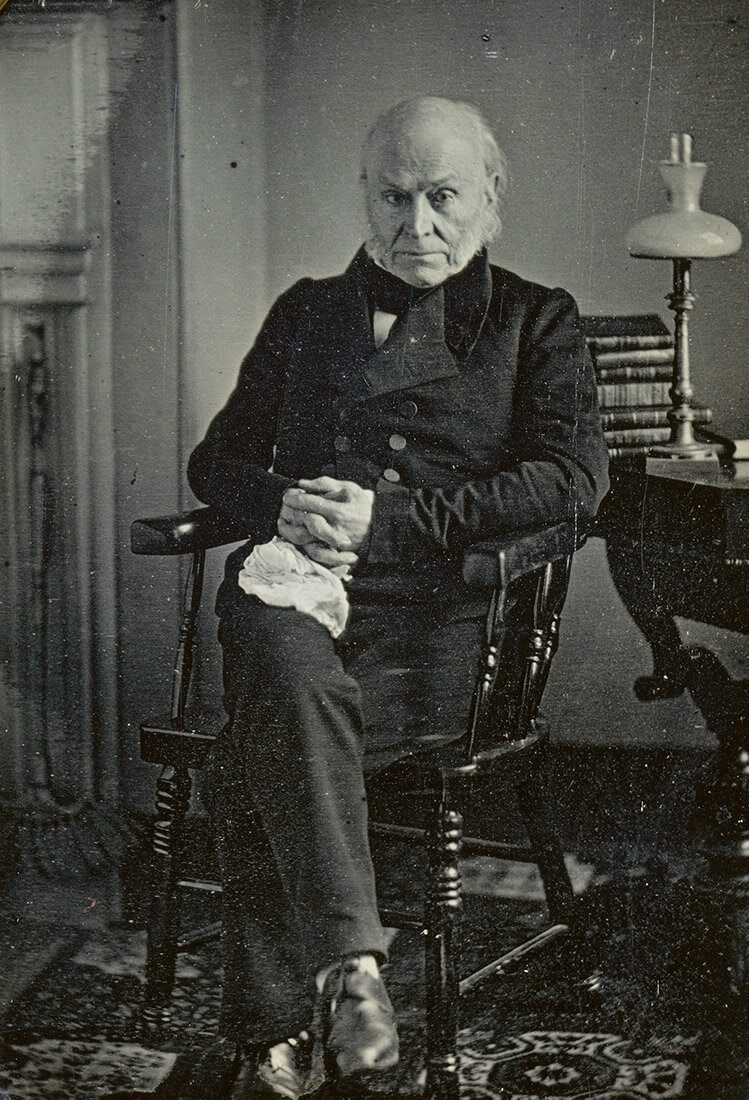
Biblical Scenes Painted on the Plates of the Byzantine Empire

Commandeered by Neil Armstrong, the Apollo 11 mission was a spaceflight that landed the first two people on the Moon. Following the “Cold War” between the United States and the Soviet Union, and the successful launch of Sputnik 1 by the Soviets, the first artificial satellite, came the “Space Race” between the two nations.

President Dwight D. Eisenhower responded to the challenge by creating the National Aeronautics and Space Administration and prioritizing launching a man into space. However, even with the increased efforts on his part, the first person to ever be launched into space was Yuri Gagarin.

As such, when John F. Kennedy stepped into his president role, he took it upon himself to arise to the challenge. With a plan in motion, they focused their efforts into a project that would put the man on moon and get him back to Earth in one piece. The project’s name was “Apollo”.

Apollo 11 the Successful Launch

The project had been postponed with the Apollo 1 fire that happened on January 27, 1967. However, it was not the end. With continued testing, and several other teams working on it, it was ready for launch on July 16, 1969. During the launch, an estimation of one million spectators were on the highways and beaches next to the site to watch the rocket take off with the astronauts inside.

The Saturn V rocket propelled them into Earth’s orbit and a few days later, the astronauts were descending onto the Moon. Accosted with several computer errors, they were urged by the computer engineer Jack Garman to continue descent and that it was safe to land. The problems had been due to the amounts of tasks the computer had had to finish in a short amount of time. In short, it could not keep up and thus it relayed error messages, however, it did not impact their mission.

With everyone on Earth having their fingers crossed, the Apollo 11 crew made it onto the Moon’s surface. They set a plaque that had been previously signed by the president and the astronauts to set there as their first memory of the event, all the while being transmitted to Earth for people to watch live from their television screens.

Moon Departure and Quarantine

Aldrin and Armstrong managed to meet back up with the Eagle spaceship and then continued their descent back to Earth with Collins, who, during their ascent on the lunar surface, had kept watch over Eagle in their absence. In their landing, they crashed upside down, however, they were able to rectify that with the flotation bags activated by the astronauts.

The Astronauts were given biological isolation garments and assisted them in getting out of Columbia. With the possibility of bringing back pathogens from the lunar surface, they were scrubbed with sodium hypochlorite and then were taken to Hornet, where they began their 21 days of quarantine.

During their quarantine, they got a visit from the president of the United States, Richard Nixon, who wanted to congratulate the crew on the mission and welcomed them back home. After three weeks in confinement, the astronauts were released and then reigned in on the celebrations and success.
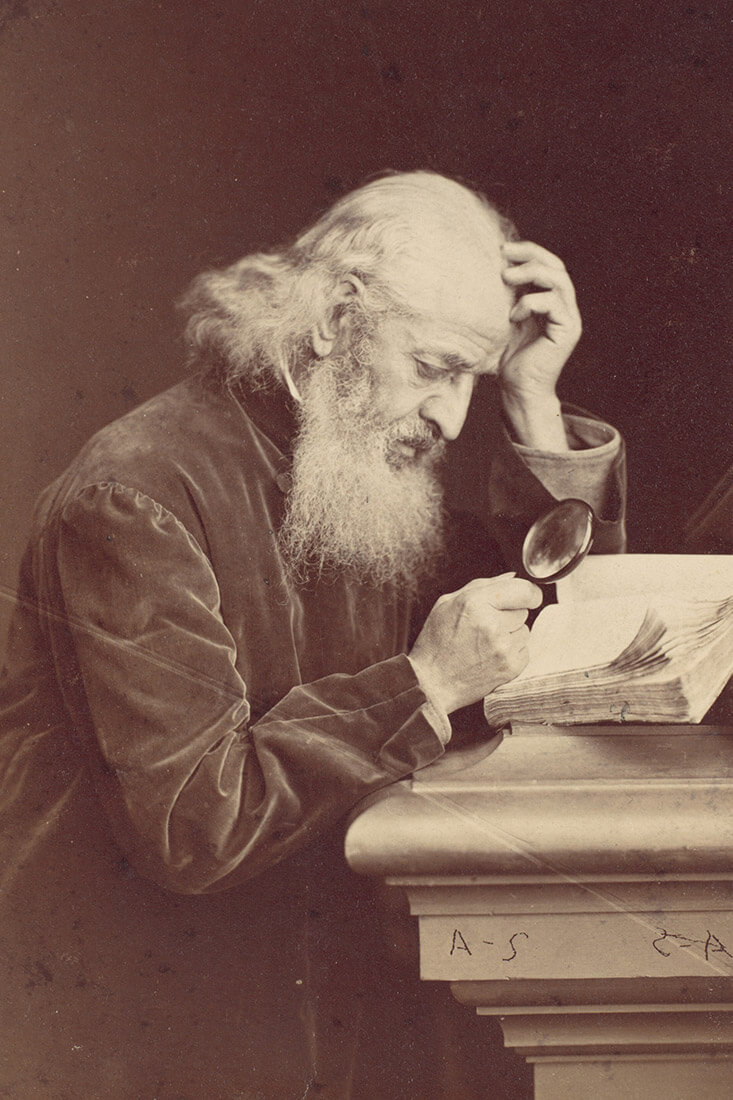
Griffins as an essential Motif for Sculptures and Decorations

Commandeered by Neil Armstrong, the Apollo 11 mission was a spaceflight that landed the first two people on the Moon. Following the “Cold War” between the United States and the Soviet Union, and the successful launch of Sputnik 1 by the Soviets, the first artificial satellite, came the “Space Race” between the two nations.

President Dwight D. Eisenhower responded to the challenge by creating the National Aeronautics and Space Administration and prioritizing launching a man into space. However, even with the increased efforts on his part, the first person to ever be launched into space was Yuri Gagarin.

As such, when John F. Kennedy stepped into his president role, he took it upon himself to arise to the challenge. With a plan in motion, they focused their efforts into a project that would put the man on moon and get him back to Earth in one piece. The project’s name was “Apollo”.

Apollo 11 the Successful Launch

The project had been postponed with the Apollo 1 fire that happened on January 27, 1967. However, it was not the end. With continued testing, and several other teams working on it, it was ready for launch on July 16, 1969. During the launch, an estimation of one million spectators were on the highways and beaches next to the site to watch the rocket take off with the astronauts inside.

The Saturn V rocket propelled them into Earth’s orbit and a few days later, the astronauts were descending onto the Moon. Accosted with several computer errors, they were urged by the computer engineer Jack Garman to continue descent and that it was safe to land. The problems had been due to the amounts of tasks the computer had had to finish in a short amount of time. In short, it could not keep up and thus it relayed error messages, however, it did not impact their mission.

With everyone on Earth having their fingers crossed, the Apollo 11 crew made it onto the Moon’s surface. They set a plaque that had been previously signed by the president and the astronauts to set there as their first memory of the event, all the while being transmitted to Earth for people to watch live from their television screens.

Moon Departure and Quarantine

Aldrin and Armstrong managed to meet back up with the Eagle spaceship and then continued their descent back to Earth with Collins, who, during their ascent on the lunar surface, had kept watch over Eagle in their absence. In their landing, they crashed upside down, however, they were able to rectify that with the flotation bags activated by the astronauts.

The Astronauts were given biological isolation garments and assisted them in getting out of Columbia. With the possibility of bringing back pathogens from the lunar surface, they were scrubbed with sodium hypochlorite and then were taken to Hornet, where they began their 21 days of quarantine.

During their quarantine, they got a visit from the president of the United States, Richard Nixon, who wanted to congratulate the crew on the mission and welcomed them back home. After three weeks in confinement, the astronauts were released and then reigned in on the celebrations and success.